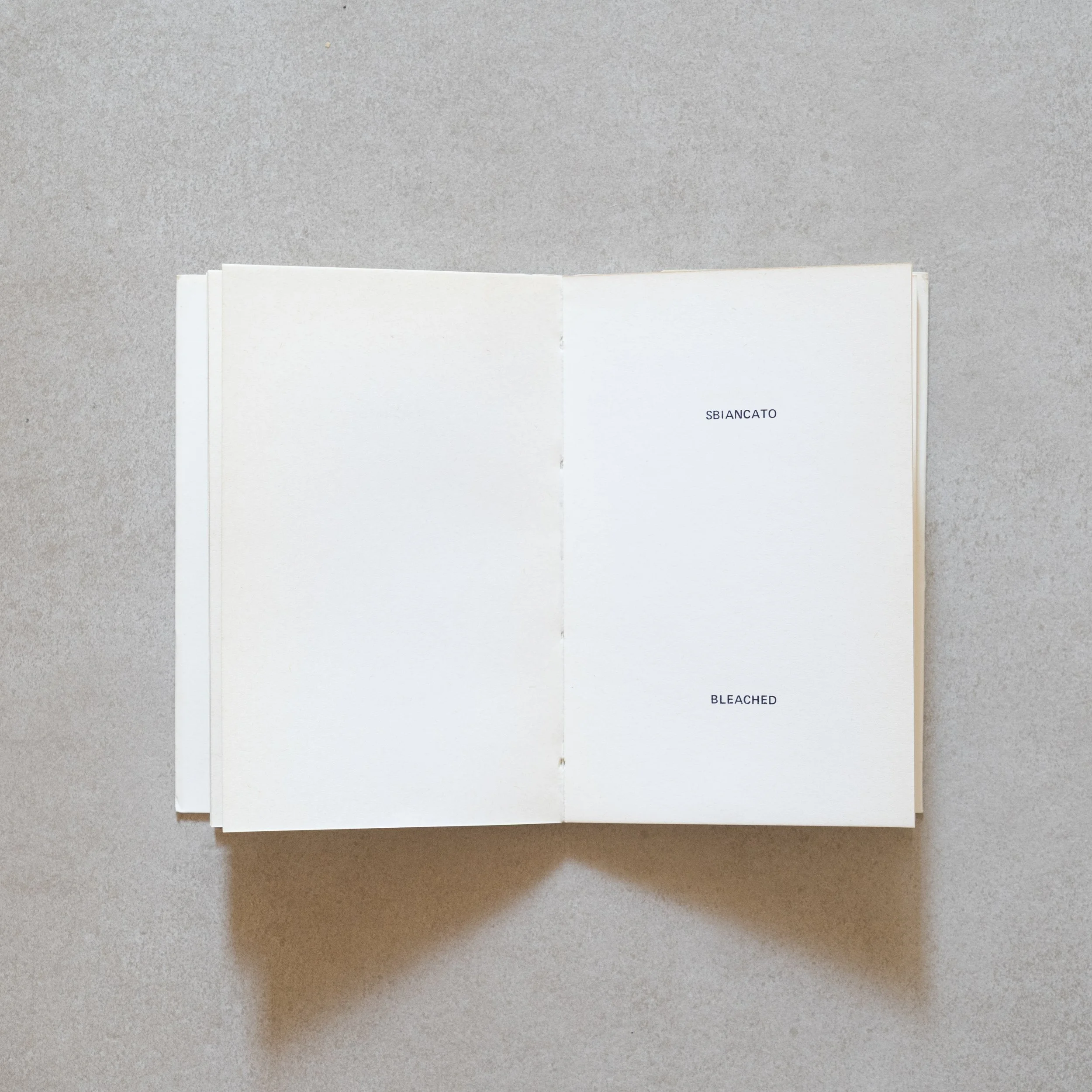
LEWITT Sol (Hartford 1928 - New York 2007)
[Drawing series I, II, III, IIII A & B], Torino - Düsseldorf, (Galleria) Sperone / Fischer, 1974, 22,5x22,5 cm., “(...) It presents the four basic kinds of line - vertical, horizontal, and the two diagonals - in 192 drawings of finely drawn lines on four 41/2 inch squares, each one containing four smaller squares. The four sets of twenty-four drawings each are divided in two parts: (A) on the left-hand pages the squares are filled with single lines; (B) on the right-hand pages the grid invades the austerity of the sixteen close-lined squares, creating varied plaid patterns of light, dark, and middle-toned squares. For each set there are “composites” of as many as 384 squares to single page, or on smaller scale two double-page spread of 768 squares, one each for the A and B series; they are a “tour de force” of draftsmanship and printing. The pages of single-line squares are so fine and so uniform, the overall effect is like gray velvet. In contrast, the checkered squares of the B series pulsate with lights and darks” (Lewitt/Legg). Edition of 1500 copies. Original edition.
[Bibliography: Lewitt 1990: pag. (64); Lewitt/Legg 1978: pag. 10; Maffei / De Donno 2009: pag. 47].
LEWITT Sol (Hartford 1928 - New York 2007)
[Drawing series I, II, III, IIII A & B], Torino - Düsseldorf, (Galleria) Sperone / Fischer, 1974, 22,5x22,5 cm., “(...) It presents the four basic kinds of line - vertical, horizontal, and the two diagonals - in 192 drawings of finely drawn lines on four 41/2 inch squares, each one containing four smaller squares. The four sets of twenty-four drawings each are divided in two parts: (A) on the left-hand pages the squares are filled with single lines; (B) on the right-hand pages the grid invades the austerity of the sixteen close-lined squares, creating varied plaid patterns of light, dark, and middle-toned squares. For each set there are “composites” of as many as 384 squares to single page, or on smaller scale two double-page spread of 768 squares, one each for the A and B series; they are a “tour de force” of draftsmanship and printing. The pages of single-line squares are so fine and so uniform, the overall effect is like gray velvet. In contrast, the checkered squares of the B series pulsate with lights and darks” (Lewitt/Legg). Edition of 1500 copies. Original edition.
[Bibliography: Lewitt 1990: pag. (64); Lewitt/Legg 1978: pag. 10; Maffei / De Donno 2009: pag. 47].


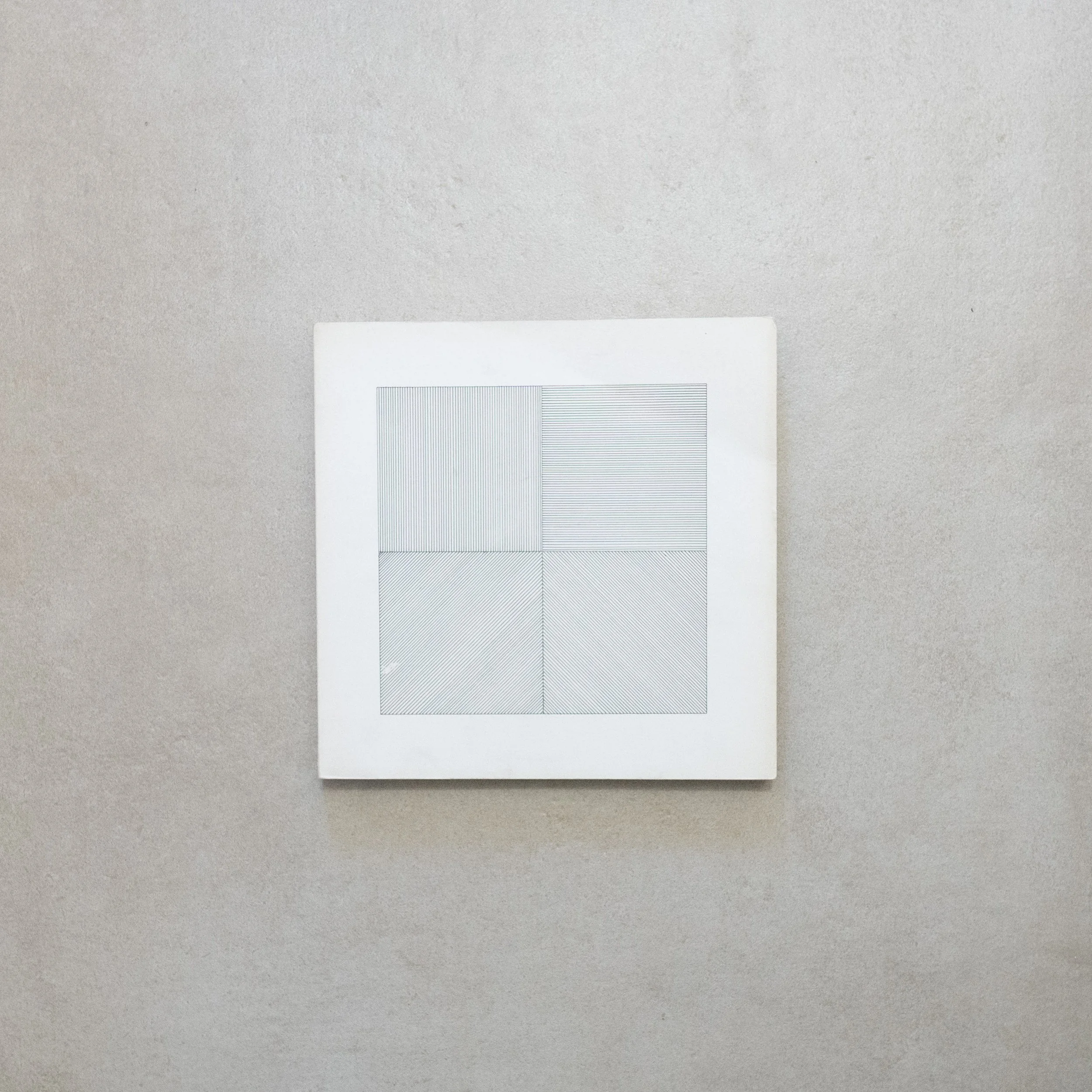 Image 1 of 14
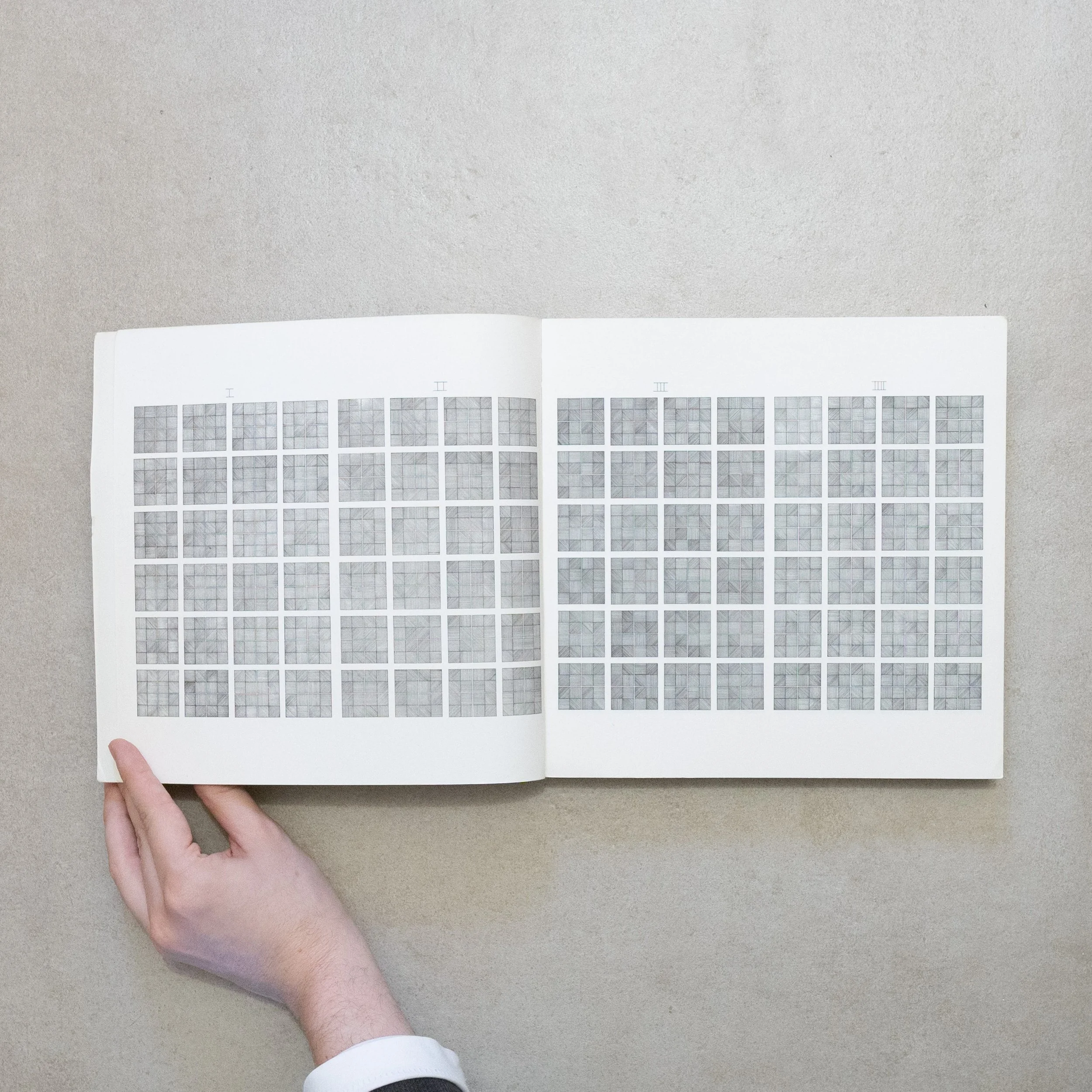 Image 2 of 14
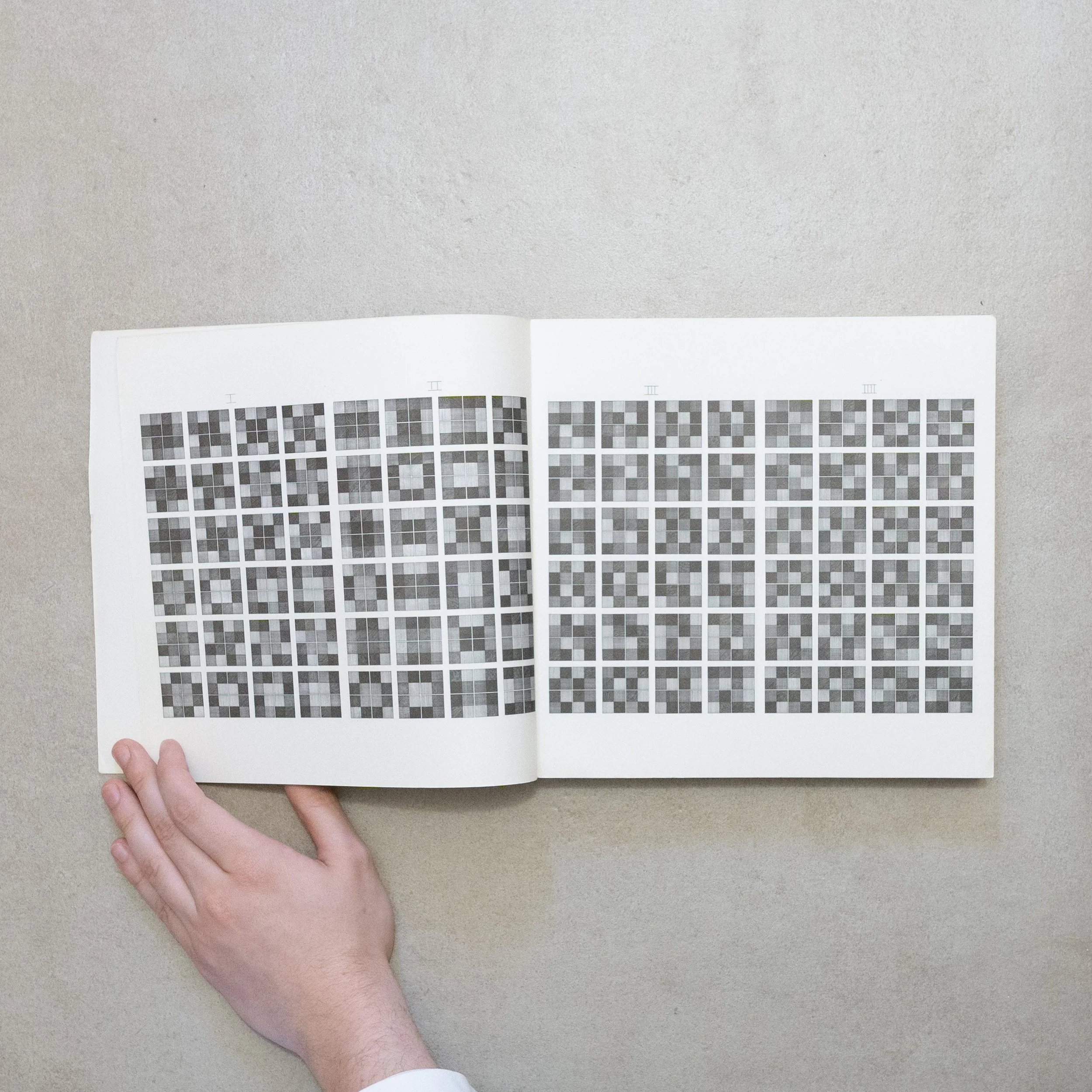 Image 3 of 14
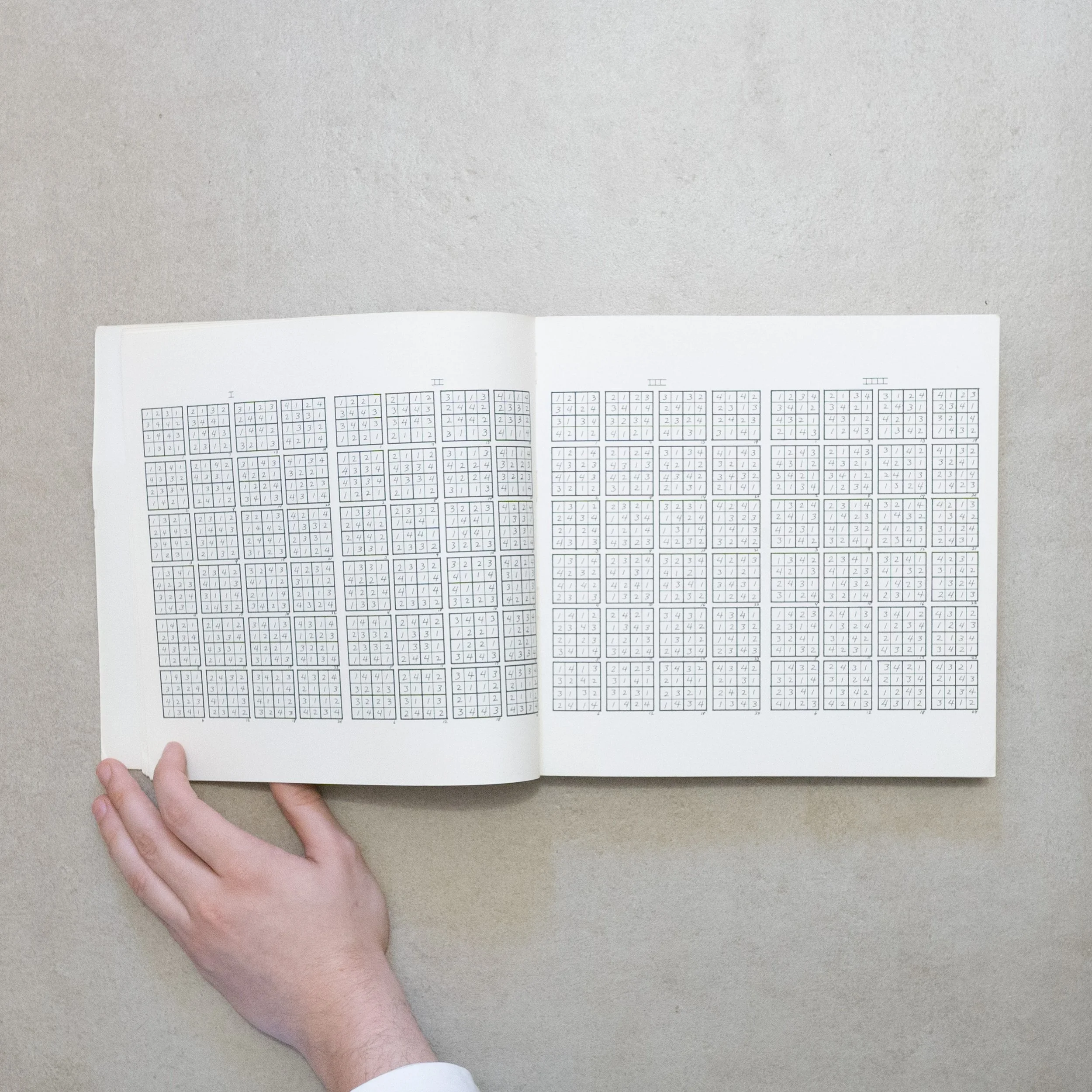 Image 4 of 14
 Image 5 of 14
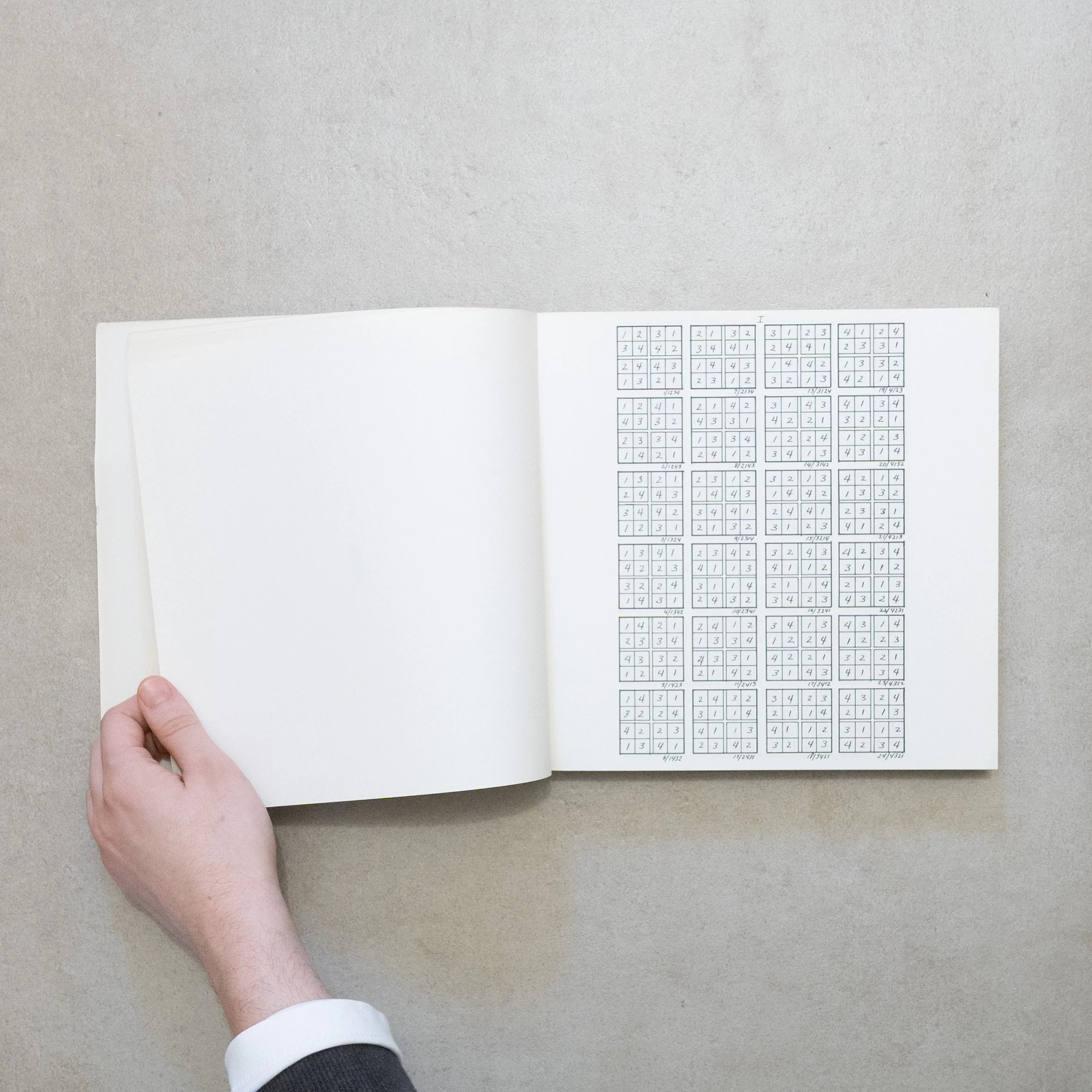 Image 6 of 14
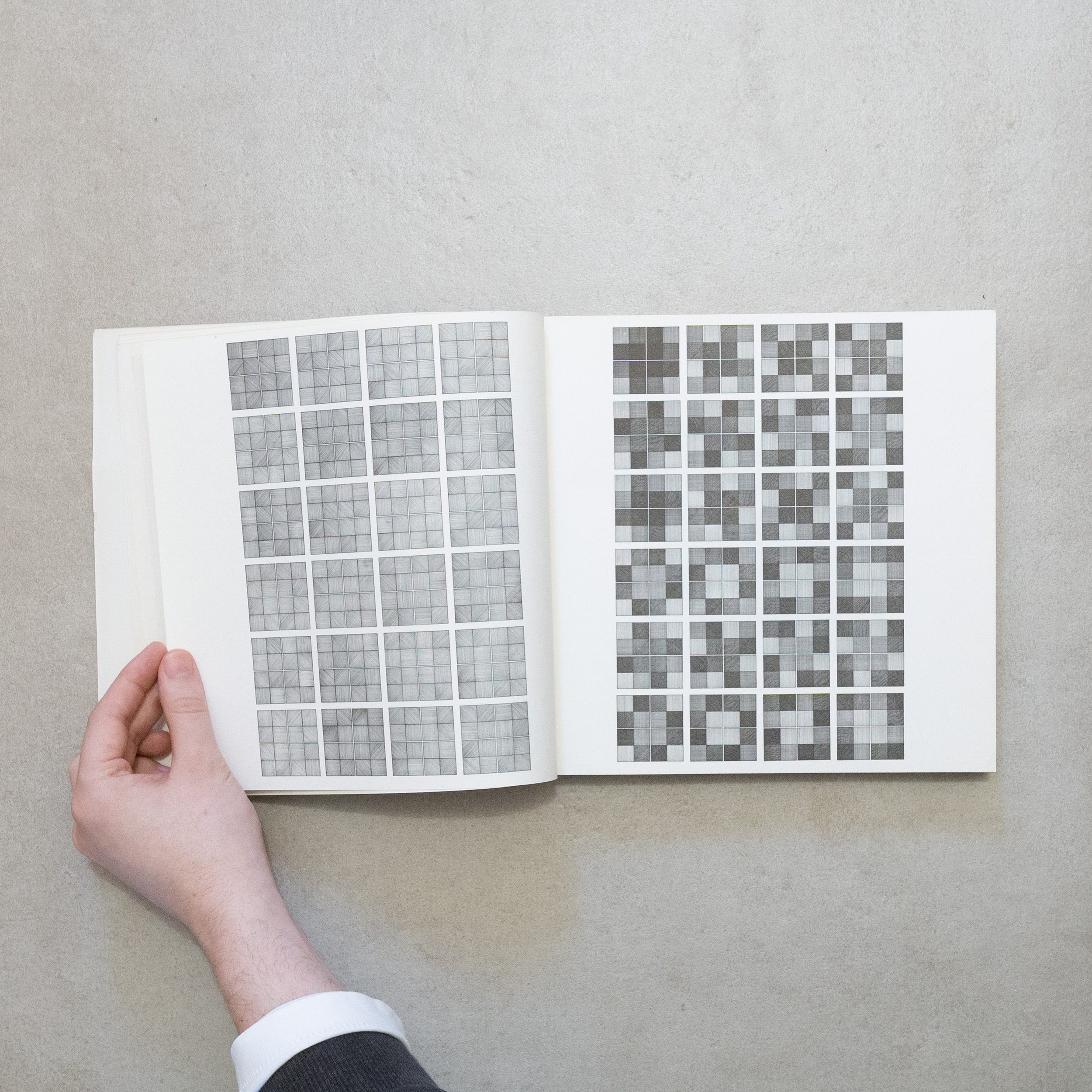 Image 7 of 14
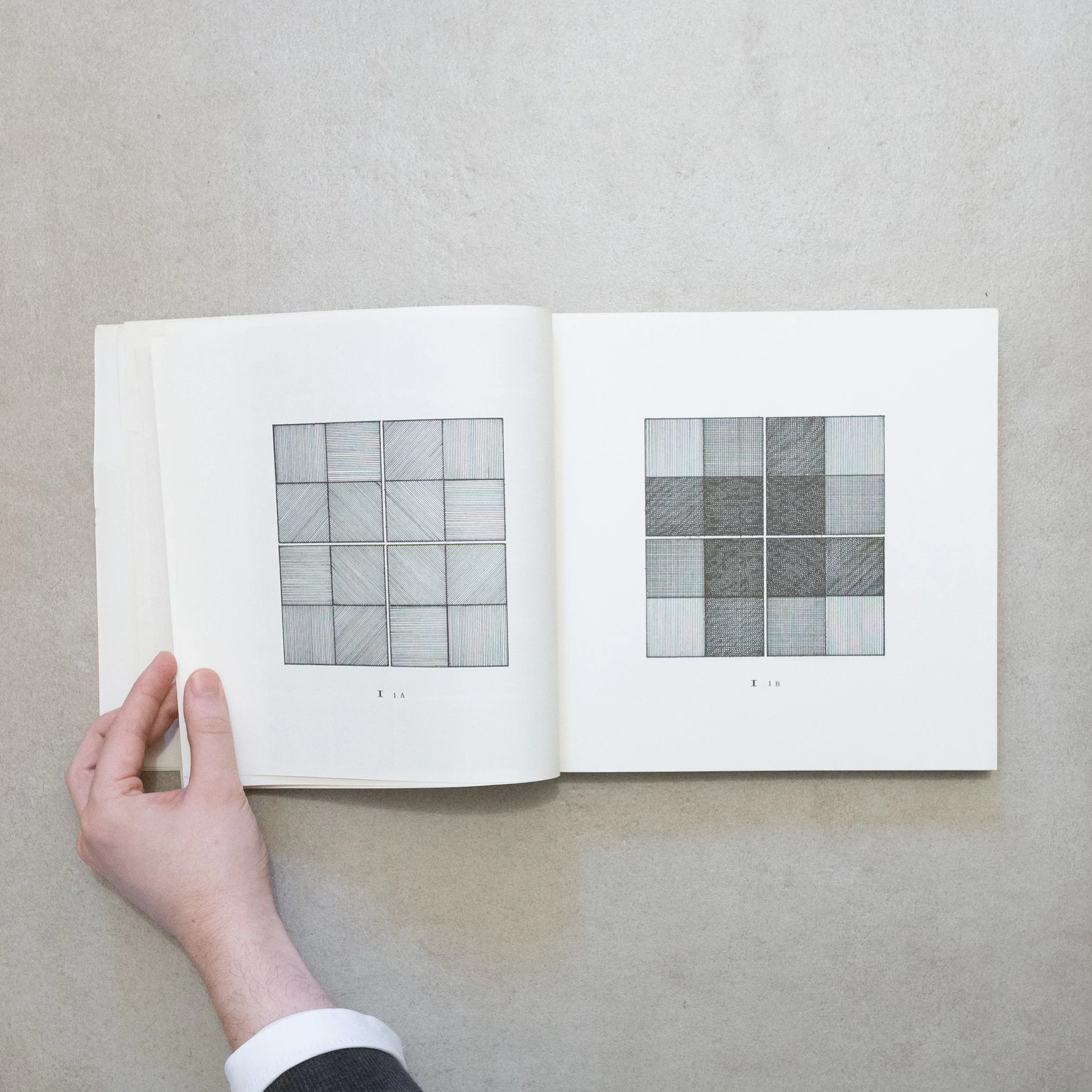 Image 8 of 14
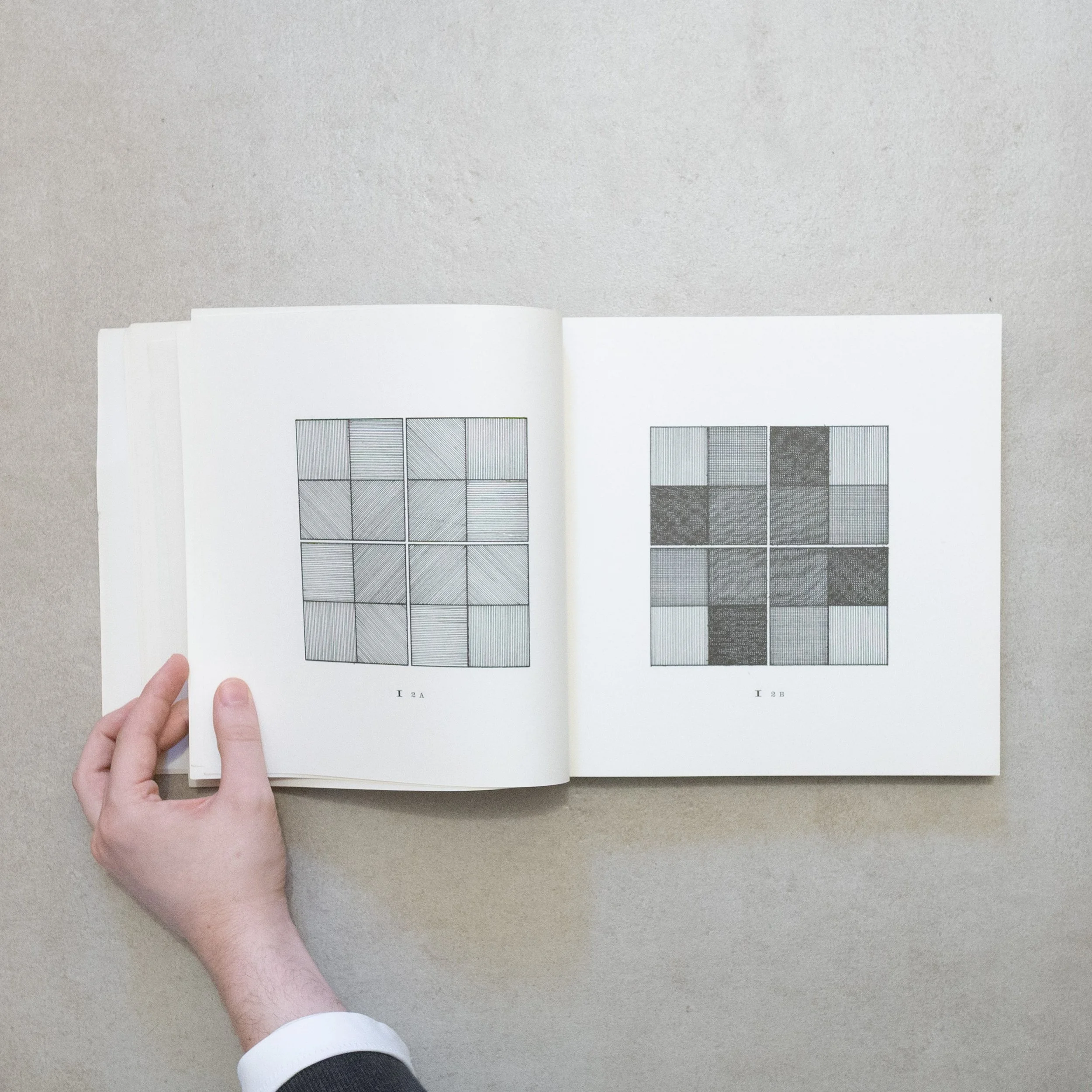 Image 9 of 14
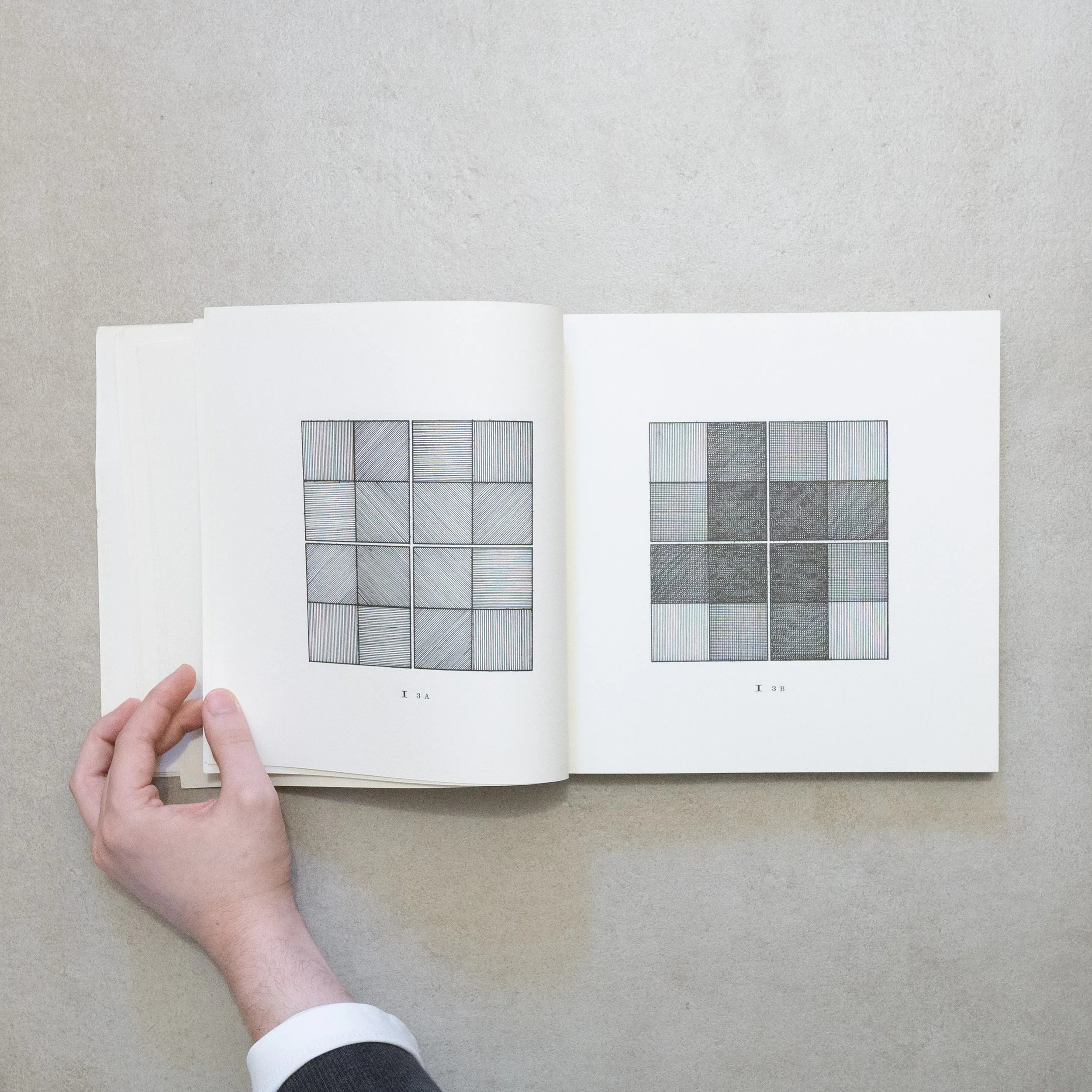 Image 10 of 14
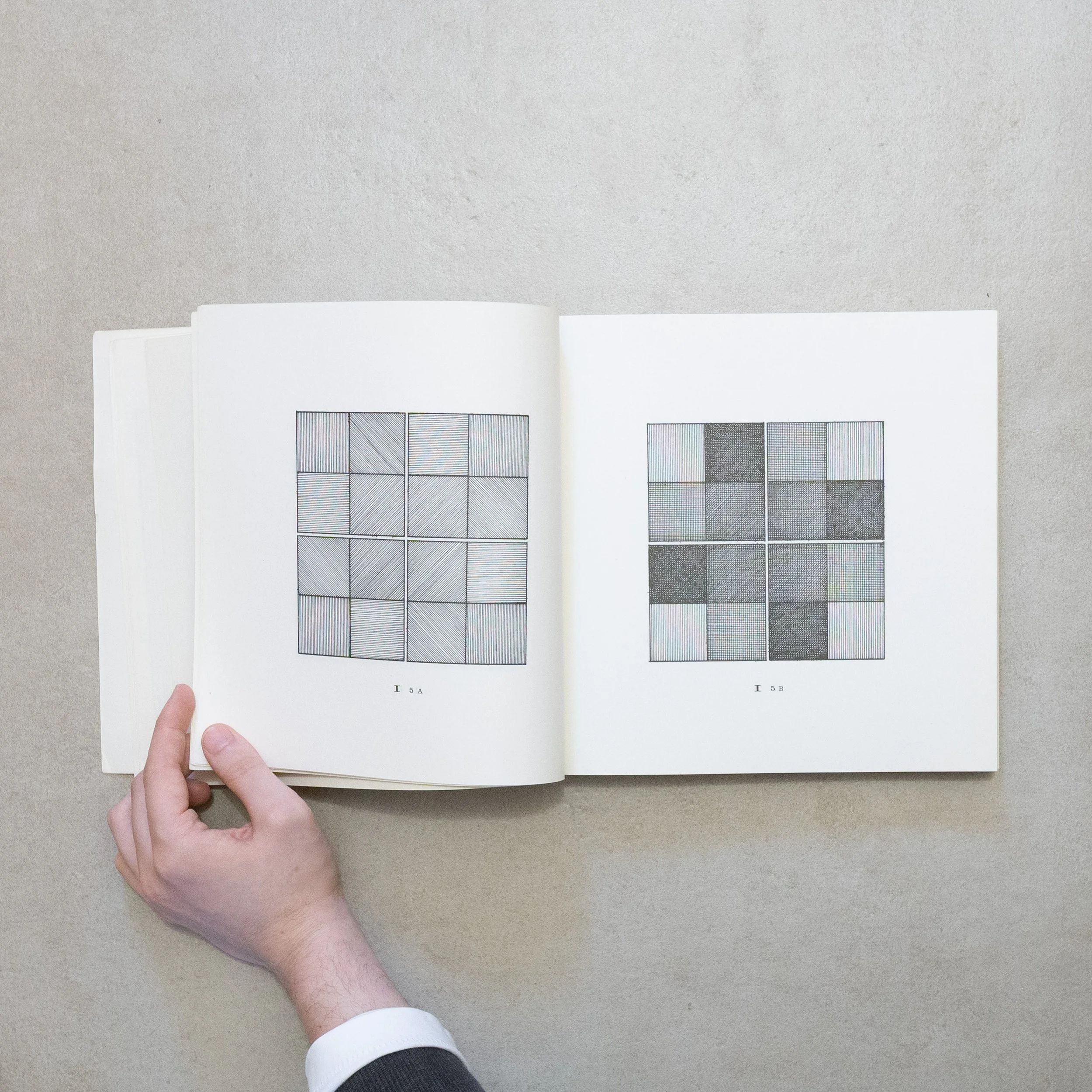 Image 11 of 14
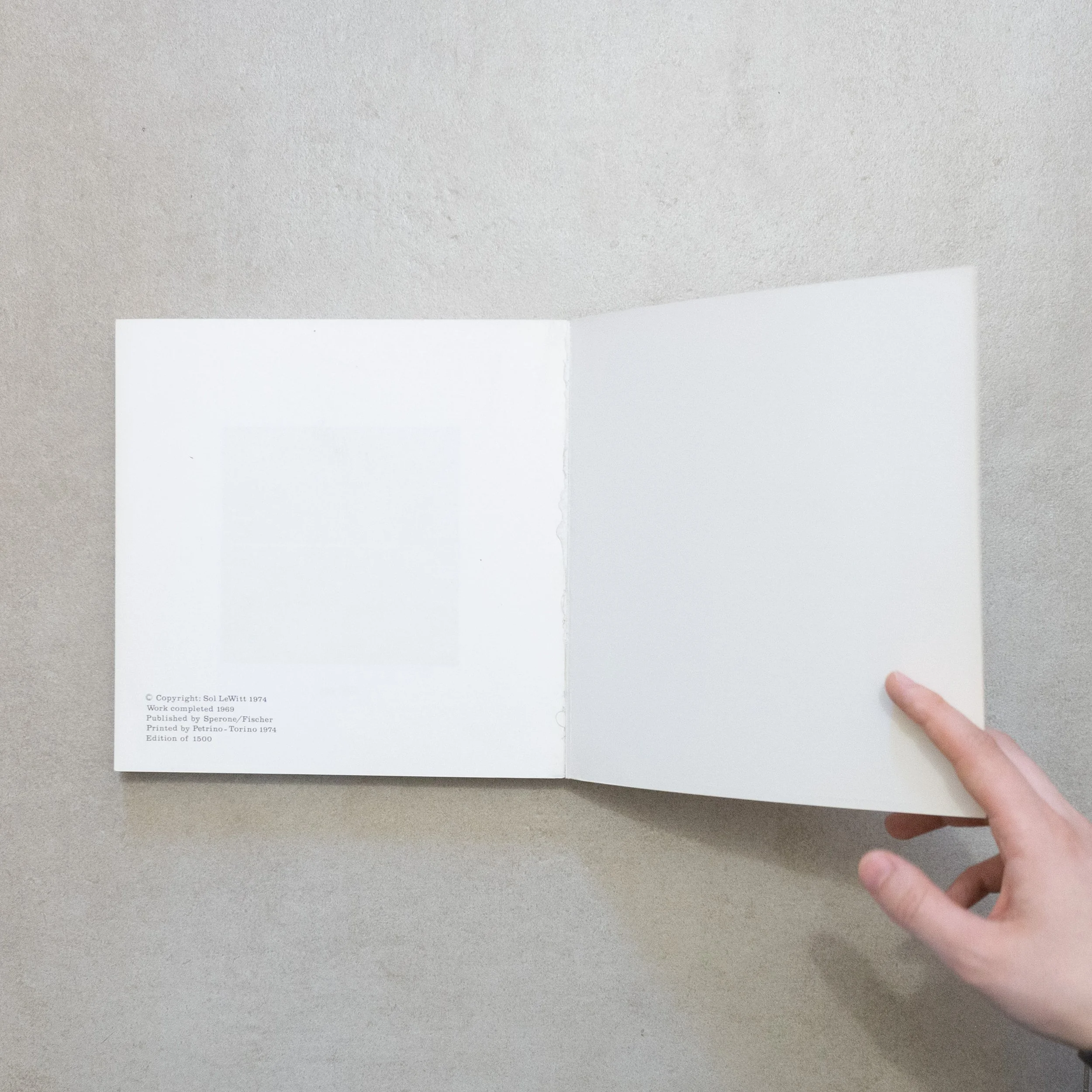 Image 12 of 14
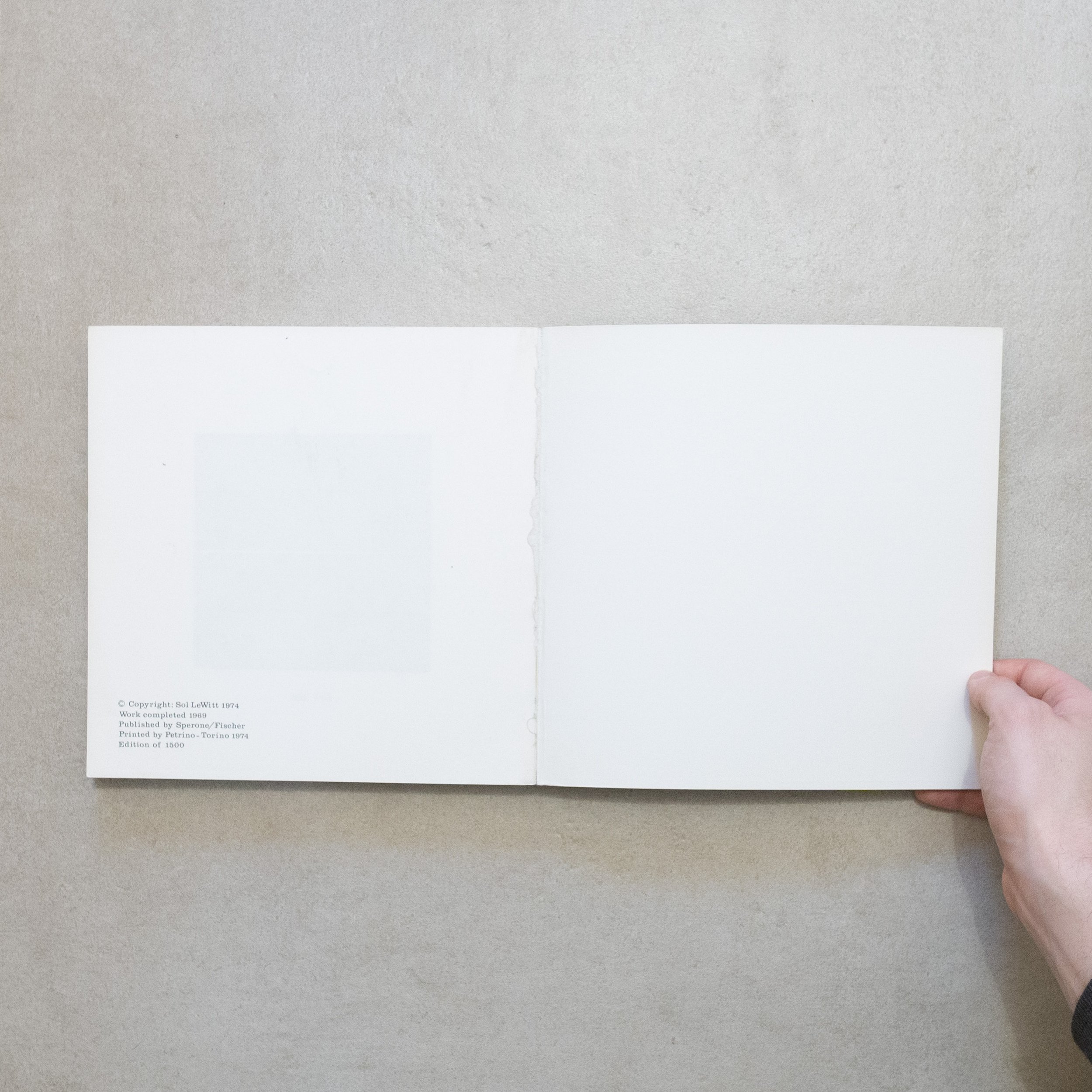 Image 13 of 14
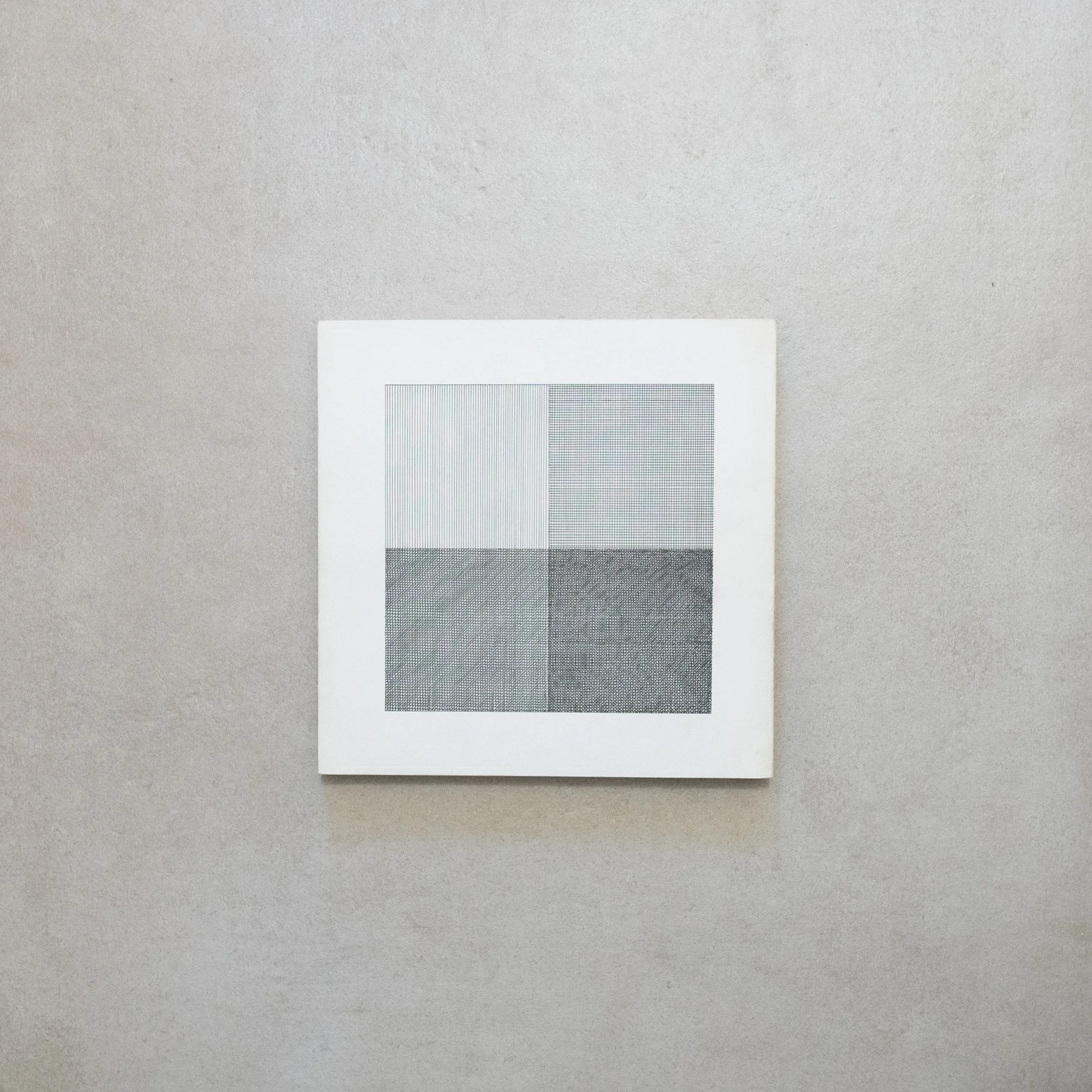 Image 14 of 14